In highly specialized, niche sectors of the construction machinery industry, securing an early foothold and cultivating the market over the long term are essential.
In 2016, the skid-steer loader market in China was still in its infancy—an untapped frontier. Wang Qiang, founder of Supeng Group, chose to align with Bobcat as an exclusive regional dealer. While others viewed this as a niche or obscure segment, he saw a rare window of opportunity for growth.
As the brand that pioneered the skid-steer loader, Bobcat possessed a wealth of mature technical expertise. At the time, domestic competitors had not yet entered the market on a large scale, resulting in minimal competitive pressure.
"We could leverage this 'window of opportunity' to hone our team, establish standardized business processes, and perfect our digital operational systems, thereby laying a solid foundation for the company's long-term development."
Guided by this insight, Supeng embarked on a journey of pioneering growth alongside Bobcat.
After a decade of dedicated cultivation, Supeng’s business footprint spans Jiangsu, Anhui, and Guangdong, and extends into Hong Kong and Macau, making it one of Bobcat’s core dealers with the widest regional coverage in China. This cross-regional expansion was not a reckless land grab, but a long-term strategy built on core capabilities and a methodical, step-by-step approach.
01 Strengthening Internal Capabilities for Steady, Broad-Based Expansion
Geographic expansion was a distinctive growth path Supeng adopted based on its stage of development. Limiting operations to a single region would have hindered the company from fully unleashing its comprehensive operational capabilities; thus, a gradual expansion into new markets was the most practical choice.
Yet, Supeng has always adhered to a core principle: capability must precede expansion.
Customer demographics, construction scenarios, and equipment needs vary significantly across Jiangsu, Anhui, Guangdong, Hong Kong, and Macau. To adapt to these diverse regional markets, the company established a vertical matrix management structure: headquarters functions—covering sales, service, parts, and general management—directly coordinate regional operations, while dedicated regional managers oversee cross-departmental resource allocation and on-site coordination. This management model ensures consistent service standards nationwide while maintaining the flexibility to respond to local market needs and efficiently address regional variations. Strategic planning for talent acquisition was also prioritized early on. Since the company's inception, Su Peng has focused on building a youthful team; beyond the founding core, frontline sales and service roles prioritize hiring those born in the 1990s, and a new wave of talent born in the 2000s is now joining the ranks. This young workforce possesses strong learning agility and adaptability, providing the manpower needed for multi-regional expansion while enabling the company to quickly grasp and adjust to the industry's evolving landscape.
02 Innovative Value-Based Marketing: Building Customer Trust
As the core customer base for construction machinery shifts from the "Post-70s" generation to the "Post-80s" and "Post-90s" cohorts, information-gathering channels have moved almost entirely online. Su Peng has upgraded its marketing channels accordingly; alongside traditional in-person visits, the company has established a comprehensive online presence across platforms such as its official website, Douyin, and WeChat Channels.
Skid-steer loaders represent a specialized niche with fierce competition for online traffic. The team employs a refined content strategy—balancing professional equipment education and multi-scenario demonstrations with lighthearted, engaging content—to consistently boost the brand's online visibility.
While online channels generate traffic, the key to truly retaining customers and fostering long-term partnerships lies in Wang Qiang’s unique "values-based marketing" model. He believes that traditional transactional marketing, relationship-based marketing, and consultative marketing all have limitations; the core of business operations, in his view, is building a relationship of deep trust with customers—one characterized by symbiosis, coexistence, and mutual success.
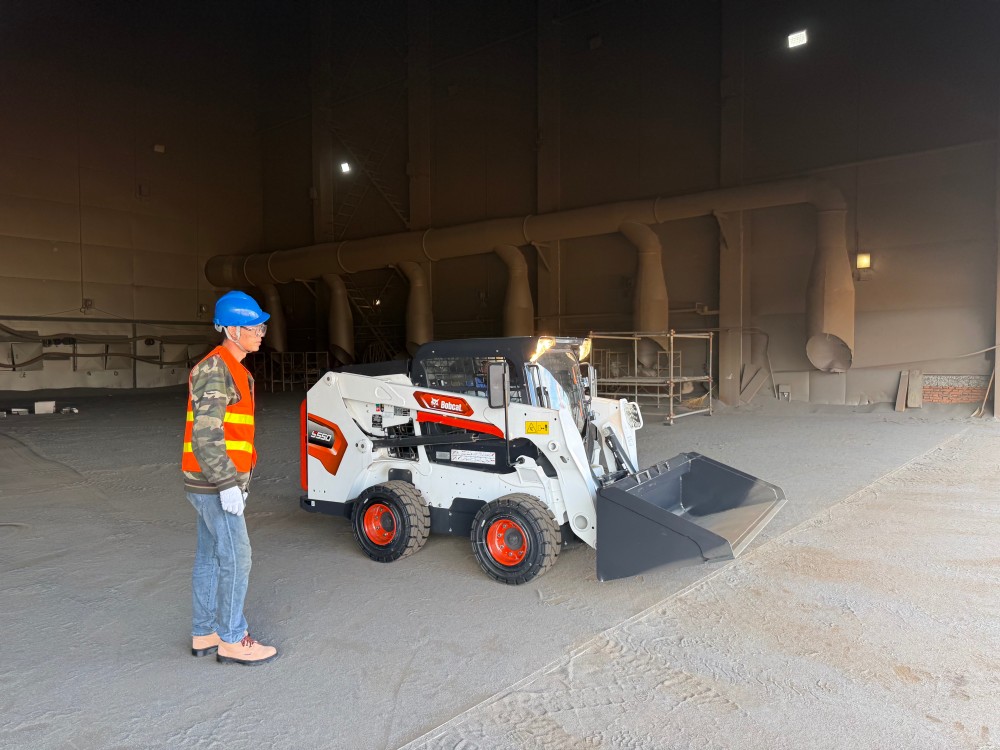
Su Peng’s business philosophy even transcends conventional industry thinking: the company is transparent with customers about the need for reasonable profits to sustain operations. "Stable profitability allows us to consistently provide 24/7 maintenance support, maintain ample spare parts inventory, offer a full range of attachments, and provide flexible, accessible financing solutions."
This candor has not driven customers away; instead, it has earned widespread recognition. Customers have moved beyond a simple price-comparison mindset to comprehensively evaluate equipment quality, after-sales support, parts availability, and total cost of ownership. This shift represents a return to valuing true worth, fostering a mutually beneficial partnership built on trust between the company and its customers.
03 Leveraging Manufacturer Synergy for Mutual Empowerment
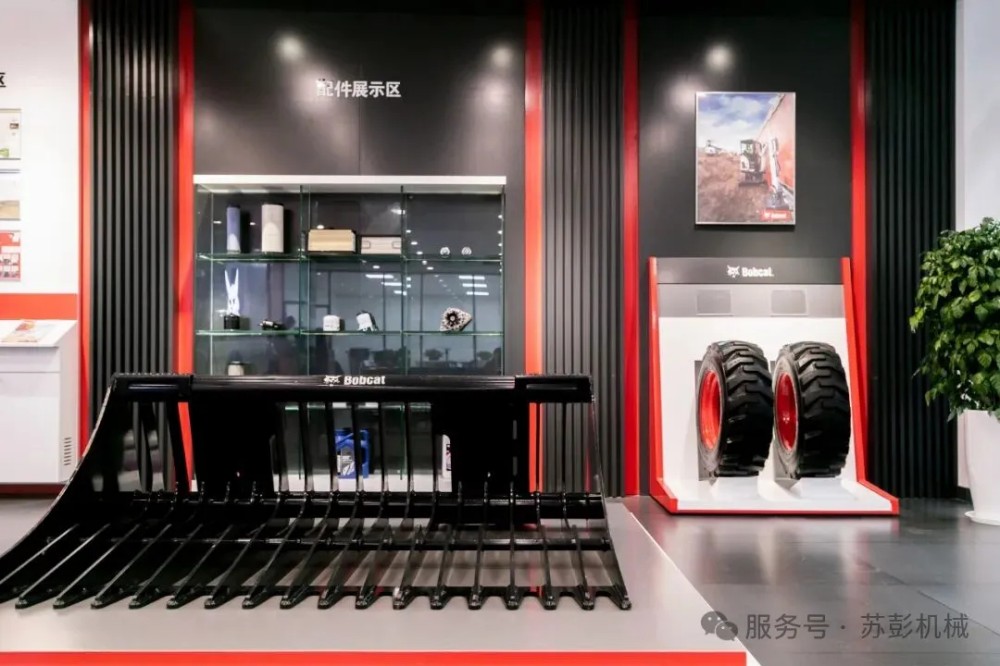
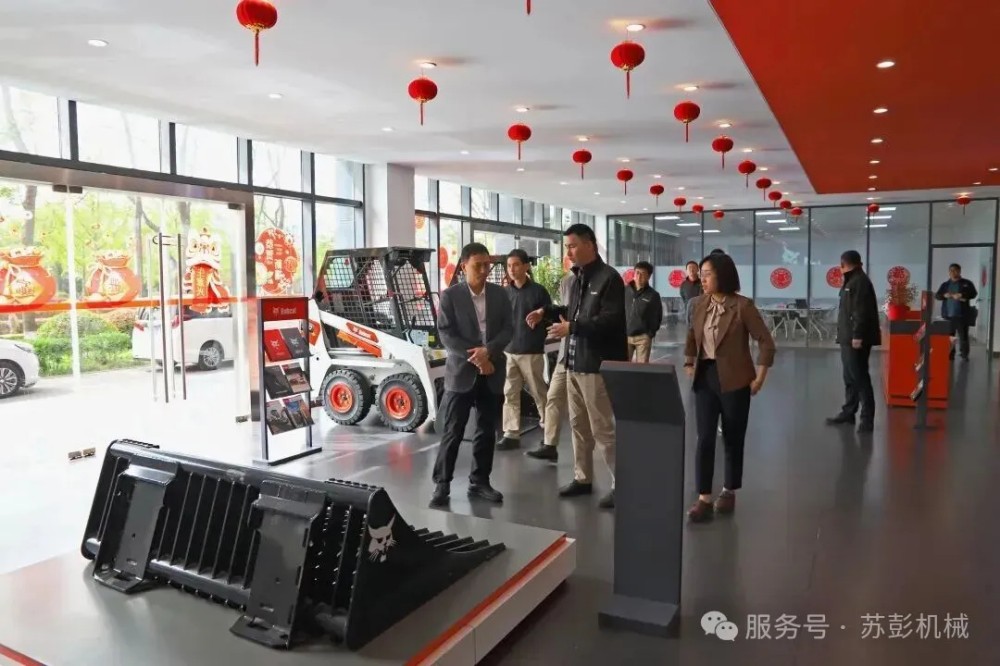
Su Peng’s steady expansion over the past decade is underpinned by the comprehensive, in-depth support provided by the Bobcat brand—ranging from facilities and production logistics to policies and after-sales service. Together, they have built a collaborative ecosystem defined by synergy and shared success. In 2020, the professional Bobcat team managed the end-to-end creation of the Bobcat flagship store, handling everything from spatial design and fit-out to equipment display and brand atmosphere styling. This standardized showroom not only optimizes the office and service environment but also serves as a key calling card for talent recruitment; new employees can intuitively experience the standardized operational system, fostering confidence in both the brand and the company’s future.
Regarding logistics and warehousing, Bobcat’s Suzhou production base designated a dedicated area for Supeng—including offices, a finished-goods warehouse, and an equipment staging yard. This eliminates the cumbersome "factory-to-transit-to-local-warehouse-to-customer" chain typical of traditional dealerships, allowing equipment to be shipped directly from the factory to project sites. This significantly shortens delivery times and reduces overall operating costs.
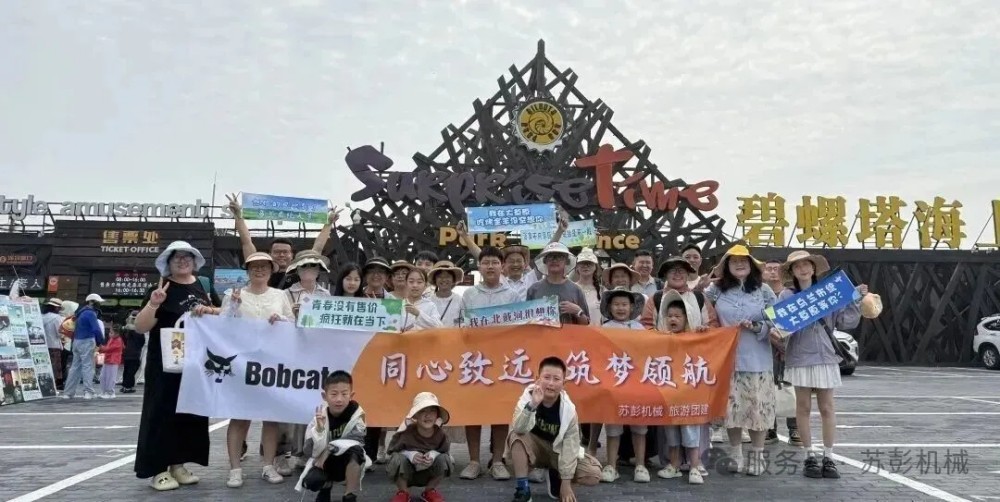
Collaborative mechanisms for policies and after-sales support are equally robust. The Bobcat sales team adjusts support policies based on market fluctuations and partners with Supeng to tailor sales strategies for different regions. Additionally, a dedicated service department has established a cross-regional channel for collaboratively handling major equipment breakdowns, ensuring efficient resolution of urgent repair issues. This multi-layered, ongoing manufacturer support allows Supeng to expand into new regions without operational concerns.
04 Cultivating the Aftermarket and Planning for the Long Term
The construction machinery industry has entered a phase of competition based on existing stock, characterized by slowing demand growth and increasing industry differentiation; yet, Bobcat’s market share has steadily risen against this trend. "The manufacturer remains committed to continuous market investment; as a core dealer, we naturally follow the brand's lead and proactively seek new growth opportunities," stated Wang Qiang.
The aftermarket represents a strategic move for Supeng to capitalize on industry cycle opportunities. The company has established six independent parts warehouses in Xuzhou and Suzhou (Jiangsu), Hefei (Anhui), Guangzhou and Shenzhen (Guangdong), and Hong Kong. Leveraging a digital inventory management system, their stock covers 95% of daily customer needs, and cross-regional emergency parts transfers generally ensure next-day delivery—placing their parts supply and repair capabilities at the forefront of the industry.
Looking toward medium- and long-term development, Supeng will continue to deepen its full-chain collaboration with Bobcat to jointly unlock growth potential in the aftermarket. The two parties will engage in deep strategic planning across three key dimensions: the standardized operation of used equipment, comprehensive lifecycle maintenance and support, and the establishment of a cross-regional distribution network. By leveraging their respective resource strengths, they aim to refine support service systems, integrate internal and external operational channels, and create an industry service model that is both replicable and scalable, thereby jointly exploring new avenues for growth in the aftermarket sector.
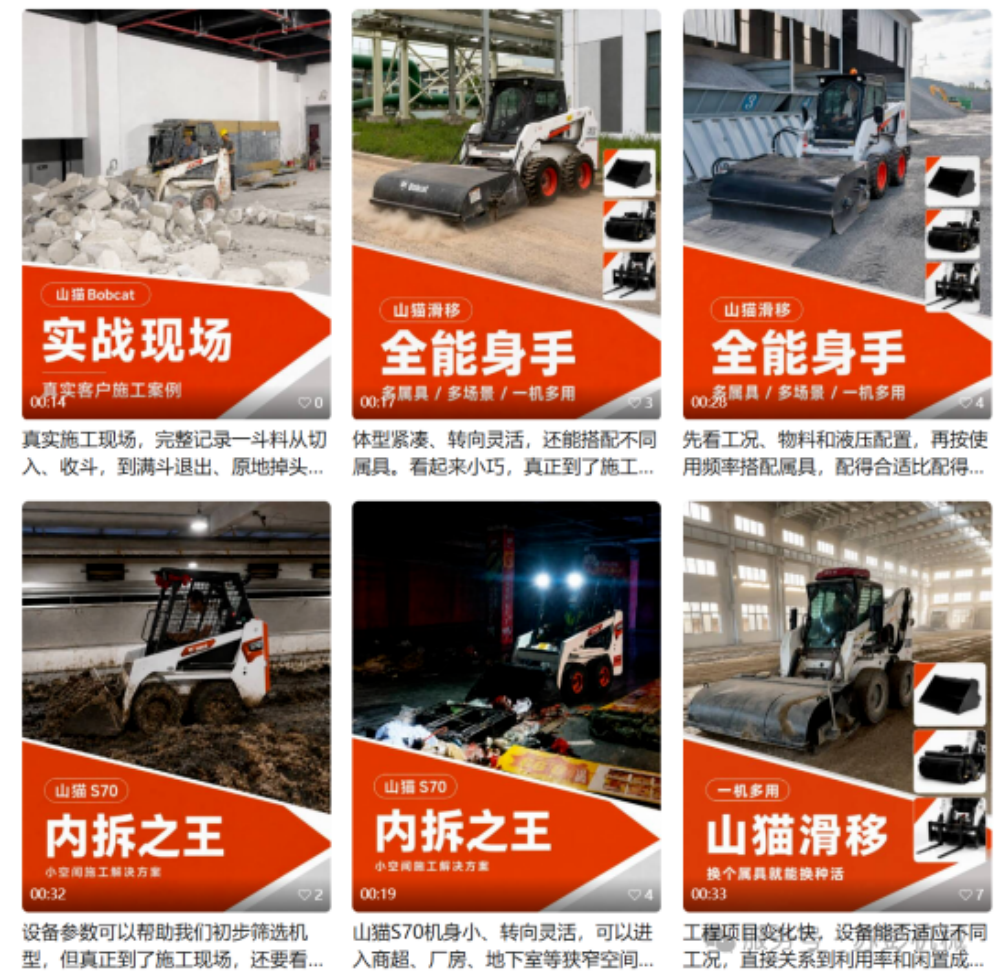
Amidst an industry downturn, Su Peng seeks to chart a new path for development by capitalizing on the synergistic advantages of manufacturer collaboration.
From its origins as a pioneer in the skid-steer loader market to its current status as a leading distributor spanning multiple provinces and regions—with a reach extending to Hong Kong and Macau—Su Peng’s decade-long journey underscores a fundamental principle: true, high-quality expansion is not merely about replicating a geographical footprint; it requires the simultaneous upgrading of customer trust, organizational capabilities, and service systems. Only by building trust through value and underpinning growth with robust systems can a company ensure steady, long-term success.